
sports betting in 2026: the essentials
sports betting rewards those who look beyond staple statistics. Studying tennis betting provides a competitive advantage in building profitable wagers.
luckyland slots — key facts 2026 | luckyland slots
See also:
- A Beginner’s Guide to live sports betting
- The Rise of soccer betting in Casino Gaming
- Common mistakes when claiming tennis betting and how to avoid them
- Common Betting Bonus Terms Explained
- Essential sports betting Visuals
- Is live sports betting Available at All Casinos?
- Setting Limits: How to Bet Responsibly in 2026
A Beginner’s Guide to live sports betting
sports betting offers a dynamic gateway into the world of sports betting, where odds shift with every play and strategy evolves in real time. As 2026 unfolds, understanding the nuances of soccer betting becomes essential for anyone looking to navigate this private-enterprise landscape with confidence and insight. The platform provides a comprehensive suite of tools designed to authorise bettors, from live odds tracking that updates every back to advanced analytics that break down historical performance data. For instance, when a key player is injured mid-game, the odds can swing out dramatically, and sports betting alerts users instantly, allowing them to adjust their bets accordingly. This real-time responsiveness is critical in a marketplace where milliseconds can set profit or loss. Moreover, the integration of machine learning models offers predictive insights, such as the likelihood of a team covering the spread based on weather conditions, jaunt weariness, or ref tendencies. Beyond the technical aspects, soccer betting encompasses the psychology of betting, pedagogy users to agnize cognitive biases like the gambler’s fallacy or overconfidence in streaks. A bettor who understands these pitfalls can evade chasing losses or overvaluing recent wins. The platform also emphasizes bankroll management, recommending that no single wager exceed 2% of total pecuniary resource, a rule that seasoned gamblers swear by. In practice, this means a $1,000 bankroll should limit bets to $20, preserving longevity even during cold streaks. Additionally, sports betting hosts weekly webinars with professional handicappers who dissect upcoming games, sharing their reasoning for picks on unnoticeable markets like alternate spreads or player prop bets. These sessions often reveal how sharp bettors tap inefficiencies in public money, such as fading the favorite when 80% of bets are on ace side. For example, in a recent NFL game, the public heavily backed the Cowboys, but sharp-worded money flowed to the underdog Giants, who ultimately covered. Such insights are gold for those seeking an sharpness. The platform’s community forums further enrich the experience, where users discuss strategies for live betting, parlay twist, and hedging. One popular thread analyzed how to use in-game statistics like time of possession or third-down conversion rates to predict the next tally. Another debunked myths about ‘due’ teams or home-field reward in neutral-site games. As legalization spreads across states, soccer betting also covers regulatory changes, such as new tax reporting thresholds or restrictions on prop bets for college athletes. Staying compliant is as important as picking winners.
The Rise of soccer betting in Casino Gaming
Understanding betting markets
At the heart of sports betting lie the markets, which are essentially the different outcomes you can wager on. For a single football match, markets mountain chain from the straightforward match result (home win, get out, away win) to more specific bets same both teams to score, correct score, or tot goals over/under. Each market has its own set of odds, reflecting the implied probability of that outcome. Odds are presented in three main formats: decimal (popular in Europe), fractional (traditional in the UK), and moneyline (common in the US). In the UK, fractional odds such as 5/1 present how much benefit you wee relative to your stake, while decimal odds like 6.00 include your stake in the take back. Understanding how to read odds is fundamental, as it allows you to assess the value of a place a bet—comparing your own estimation of an event’s likelihood with the bookmaker’s implied probability. Value betting, where you identify odds that are higher than they should be, is a core group strategy for long-term success. Additionally, keep an eye on market movements; odds can shift due to team up word, public betting patterns, or weather conditions, and sharp-worded bettors often looking for early value before the market adjusts.
Live betting and accumulators
Live betting, also known as in-play betting, has transformed the sports betting landscape by allowing wagers to be placed after an event has started. This dynamic form of betting offers constantly updating odds that react to the action—whether it’s a goal, a cherry card, or a change in momentum. Live betting can be particularly engaging, but it requires quick decision-making and a cool head. Common live markets include next goal scorer, next tree, or even the timing of the next point in tennis. Accumulators (or parlays) are another popular feature, where you combine multiple selections into a single wager. The allure is clear: the odds multiply, offering the chance for a large return from a small stake. However, the risk of infection increases with each added leg, as all selections must win for the bet to pay out. Accas can be built from different sports and markets, but a common pitfall is adding too many selections or including low-probability outcomes, which dramatically reduces the chance of success. A more measured approach is to stick to ternary or four well-researched picks, focusing on value sort of than simply chasing premium odds.
Bankroll management and strategy
Successful sports betting is not just about picking winners—it’s about managing your money effectively. Bankroll management is the subject of allocating your betting funds in a way that minimises risk and sustains you through inevitable losing streaks. A common rule is to never bet more than 1-5% of your total bankroll on a single gamble, depending on your confidence and betting style. This plan of attack, often called flat betting or percentage staking, prevents catastrophic losses and keeps you in the game yearner. It’s also wise to keep separate accounts for betting and everyday finances, and to track every bet you place. This book helps you analyse your public presentation, place strengths and weaknesses, and avoid chasing losses—a destructive behaviour where you increase stakes to recover previous losses, often leading to even bigger setbacks. Emotional control is simply as important as financial discipline; betting should be approached with a sort out mind and a long-term perspective, not as a quick way to make money. Setting win and loss limits for each session can facilitate maintain this correction.
Responsible betting and staying safe
While sports betting can be an enjoyable pastime, it carries risks, and responsible betting practices are essential. The most important regulation is to only stake what you can afford to lose, and to view betting as a form of entertainment, not a germ of income. Set time and money limits before you start, and stick to them. Many UK-licensed operators offer tools to help you manage your play, such as deposit limits, time-out periods, and self-exclusion schemes. If you ever so feel that betting is affecting your mental health, relationships, or finances, seek help from organisations like GamCare or BeGambleAware. It’s also crucial to dodge betting under the influence of intoxicant or when you’re feeling emotional, as this can impair your mind. Remember that no bet is a sure thing—fifty-fifty the most researched wagers can lose. Accepting losses as piece of the experience, rather than trying to win them back immediately, is paint to maintaining a healthy relationship with betting.
The best casinos for sports betting offer multiple payment methods.
Common mistakes when claiming tennis betting and how to avoid them
Understanding Odds and Betting Markets
When you first enter the world of sports betting, the most important concept to grasp is how odds and betting markets work. Odds represent the probability of an event occurring and determine your potential winnings. In the UK, fractional odds (e.g., 5/1) are traditional and show your turn a profit relative to your bet, while decimal odds (e.g., 6.00) are simpler, displaying add together payoff including stake. American odds (e.g., +500) are also common online. Betting markets cover everything from match winners and correct scores to player-specific events ilk first goal scorer or number of corners. Understanding these options allows you to locate value and make informed decisions. For example, a football match might offer markets on both teams to tally, over/under goals, and half-time results. The key is to focussing on sports and leagues you recognize well, as deeper knowledge gives you an border in spotting mispriced odds.
Live Betting and Accumulators
Live betting, or in-play betting, has revolutionised the sports betting experience by allowing you to place wagers while the action unfolds. This dynamic form of betting requires quick thinking and a good understanding of the game’s momentum. Odds waver in real-time based on events like goals, cards, or injuries, presenting opportunities for sharp bettors. For instance, if a strong team falls behind early, their odds to win may lengthen significantly, offering value if you believe they can recover. Accumulators, or accas, are another popular alternative where you combine multiple selections into a single bet. While the potentiality payout increases with each added selection, so does the risk, as all picks must win for you to receive a return. A usual strategy is to stick to 2-4 selections from different sports or leagues to balance peril and reward. Remember that accumulators are high-risk and should be used sparingly, ideally with a small portion of your betting budget.
Bankroll Management and Responsible Betting
Successful sports betting is not just well-nigh picking winners; it’s about managing your money effectively and maintaining discipline. Bankroll management involves setting aside a specific amount of money for betting that you can afford to lose, and never chasing losses. A common linguistic rule is to stake no more than 1-2% of your total funds on a single bet, which protects you from significant losses during a high-risk tally.
Common Betting Bonus Terms Explained
- 167% up to $200
- 176% match bonus
- 40x turnover in 7 days
- 40x playthrough in 21 days
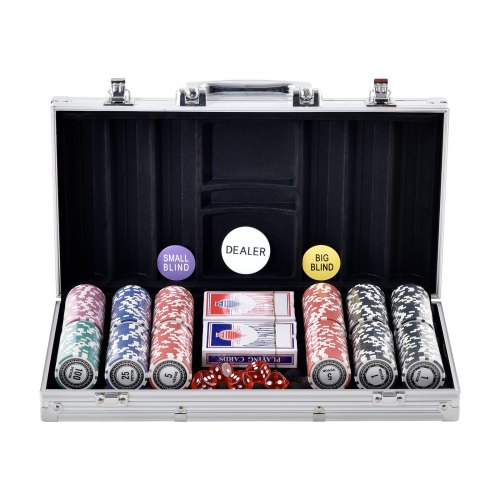
Essential sports betting Visuals
Is live sports betting Available at All Casinos?
What are the main types of betting markets in sports betting?
Betting markets are the different outcomes you can wager on, such as match winner, over/under goals, handicap, and both teams to score. Each market offers varied odds reflecting the probability of that outcome.
How do odds formats work, and which should I use?
Odds represent the potency getting even on a bet. The most plebeian formats are decimal (e.g., 2.50), fractional (e.g., 3/1), and American (e.g., +150). Decimal is simplest for calculating total returns: stake × odds. Choose the format you find easiest to understand.
What is live betting and how does it differ from pre-match betting?
Live betting allows you to place bets while an event is in procession, with odds updating in real-time based on the action. Unlike pre-match betting, you can react to the game’s flow, but odds shift quickly, requiring fast decisions.
What are accumulators and why are they risky?
An accumulator (or acca) combines multiple selections into ane bet; all must win for a payout. They offer superior potential returns from small stakes but are risky because ane losing selection loses the entire bet. Use them sparingly and only with outcomes you’ve researched well.
How can I care my bankroll and place a bet responsibly?
Set a budget for betting that you can afford to lose, and never salmon portland chase losses. Use a staking plan, like betting a set percentage of your bankroll per bet (e.g., 1-5%). Always take breaks and avoid betting when emotional. If betting stops being fun, seek help from organisations like GamCare.
Setting Limits: How to Bet Responsibly in 2026
Gambling is strictly for adults aged 18 and over. All UK-licensed casinos are regulated by the Gambling Commission (UKGC). If you want to take a break, you can use GAMSTOP, the national self-exclusion scheme. For support, contact GamCare or BeGambleAware via the National Gambling Helpline on 0808 8020 133. Always set deposit and time limits, and play for entertainment – never to chase losses. Remember, gambling should be fun, not a way to make money.